Finding yield in crypto is easy. Finding risk-adjusted yield is the hard part. This guide cuts through the noise to map the best opportunities available right now across Ethereum DeFi, Solana, and tokenized precious metals, with current APY figures, TVL data, and honest risk assessments for each.
Ethereum: The Institutional Yield Layer
Morpho: Curated Lending Vaults
Morpho has established itself as the protocol of choice for curated DeFi lending, with total TVL standing at $7.4 billion and fees up 17% over the last 7 days. The protocol's vault architecture allows expert curators to manage risk parameters, creating a more institutional-grade lending experience.
The standout development: Coinbase launched USDC lending through Morpho, allowing users to earn yields currently up to 10.8% via Steakhouse Financial-curated vaults on Base. This Coinbase integration is significant; it brings Morpho's yields to a retail audience with a familiar interface.
Key vaults to watch:
- STEAKUSDC (Ethereum): 3.8–8.5% APY, curated by Steakhouse Financial
- Coinbase/Morpho USDC (Base): up to 10.8% APY
- Risk level: Medium (smart contract risk, curator risk, but no impermanent loss)
Euler: Consistent USDC Yields
Euler's Yield USDC vault has consistently led DeFi USDC lending with a 7.65% APY and TVL of $61.16 million in this specific vault. By end of April 2025, Euler's total TVL had rocketed to $1.5 billion in a remarkable post-hack recovery. This speaks to the protocol's resilience and the team's commitment to making affected users whole.
Key metrics:
- Yield USDC vault: 7.65% APY
- Total protocol TVL: $1.5 billion
- Risk level: Medium (the protocol has been audited extensively post-exploit and rebuilt from scratch)
Lido: The Liquid Staking Benchmark
Lido provides a 3.10% staking APY with approximately $14 billion in TVL. While the yield is modest compared to DeFi lending, stETH is the most widely usable and flexible liquid staking token in the ecosystem. It serves as foundational collateral across Aave, Morpho, Maker, and dozens of other protocols.
Key metrics:
- Base staking APY: 3.10%
- TVL: ~$14 billion
- Risk level: Low (battle-tested, most widely integrated LST)
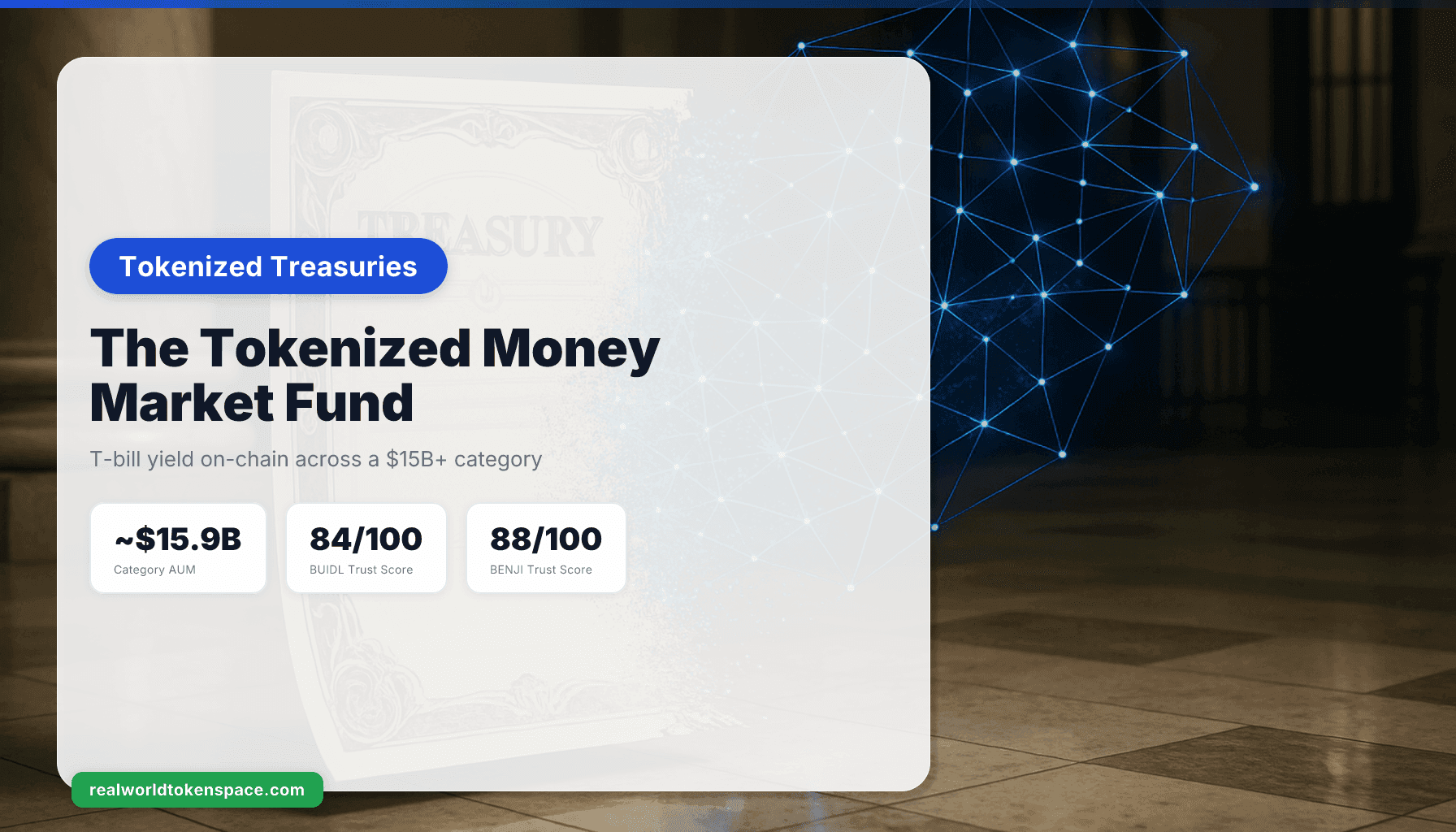
The real play with Lido is composability: stake ETH for stETH at 3.1%, then deposit stETH into Morpho or Aave to earn an additional 1–4% in lending yield, creating a stacked position yielding 4–7% total. For a deeper look at the tokenized Treasury alternatives sitting at comparable risk, see our tokenized Treasury market breakdown.
Solana: High-Performance Yield
Kamino: Solana's Lending Powerhouse
Kamino dominates Solana's lending landscape with $3.5 billion in TVL. The protocol maintains zero bad debt since inception across 18 audits, a track record that's attracting serious institutional capital to Solana DeFi.
Kamino's lending rates fluctuate with demand, but USDC lending currently yields 5–8% depending on utilization. The protocol also offers leveraged yield strategies through its Multiply product, though these carry higher risk.
Key metrics:
- TVL: $3.5 billion
- Bad debt incidents: Zero
- Audits completed: 18
- Risk level: Low-Medium (excellent track record, but Solana ecosystem risk applies)
JitoSOL: MEV-Enhanced Staking
JitoSOL captures MEV (Maximal Extractable Value) rewards on top of standard Solana staking, providing slightly higher base yields of approximately 7–9%. The MEV component adds 1–3% above standard staking yields. This makes JitoSOL one of the best risk-adjusted plays in the Solana ecosystem.
JitoSOL also offers broad DeFi integration across Kamino, Marinade, and other Solana protocols, allowing for the same composability stacking strategies available with Ethereum's stETH. For readers tracking Bitcoin-denominated yield on the same Solana venues, our Lombard LBTC deep dive covers the complementary BTC component.
Key metrics:
- Staking APY: 7–9% (including MEV rewards)
- Risk level: Low-Medium (established protocol, but yields vary with MEV opportunities)
Precious Metals: The Physical-Digital Bridge
Kinesis KAU (Gold) and KAG (Silver)
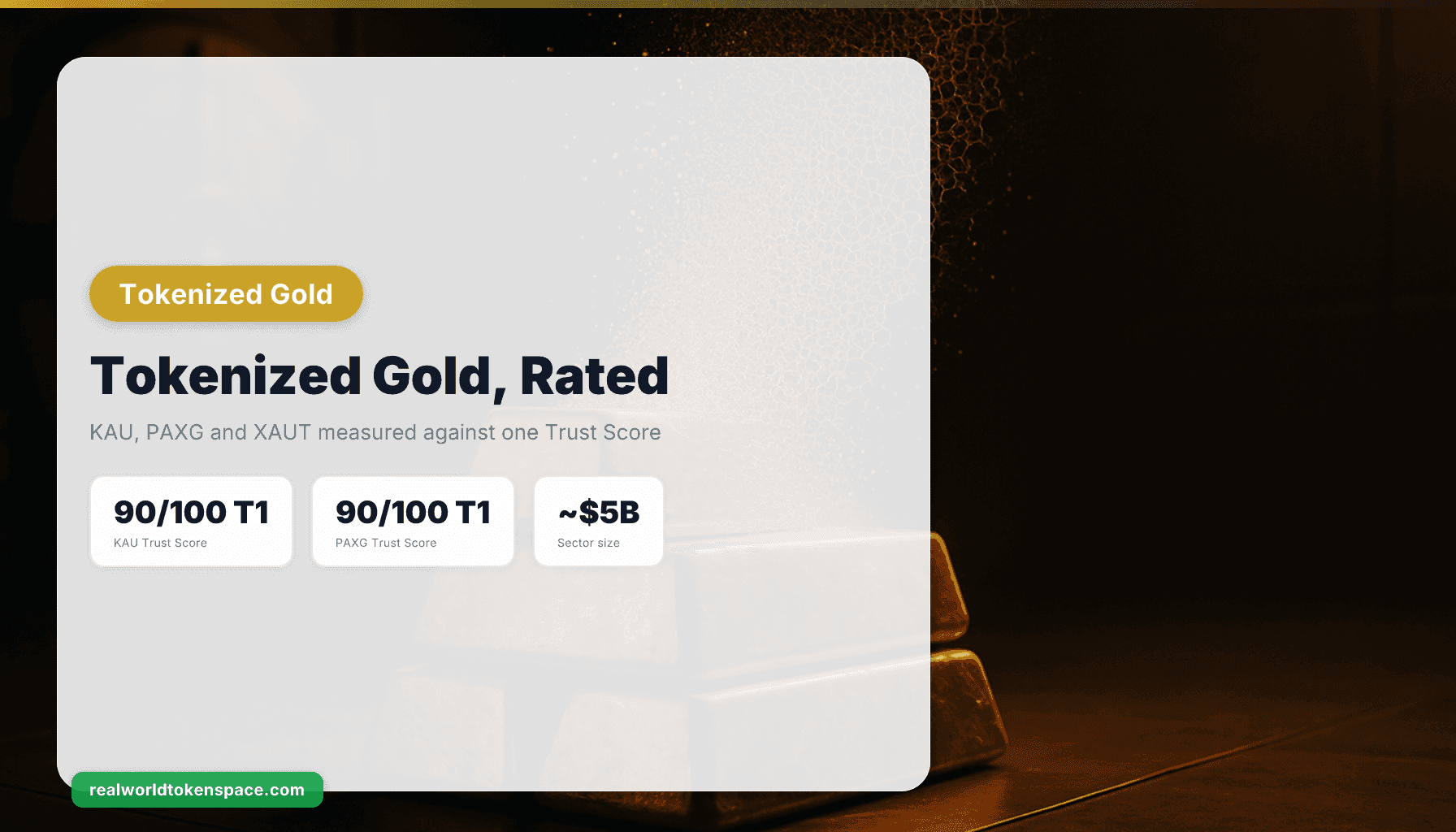
Kinesis passed its latest independent precious metals audit on April 16, 2025, verifying all KAU and KAG are backed 1:1 by physical gold and silver bullion. This is a critical differentiator. Unlike synthetic gold exposure, KAU holders have a direct claim on allocated physical metal stored in vaults across multiple jurisdictions.
The timing could not be better. Gold hit $3,424.41 on April 21, 2025 (a 13% increase in just 34 days), setting new records regularly in 2025. The rally has been driven by central bank buying, de-dollarization trends, and tariff-related uncertainty.
What makes Kinesis unique in the tokenized gold space is the yield mechanism. Unlike PAXG, which is simply a gold-backed token with no yield, Kinesis distributes a portion of transaction fees back to KAU and KAG holders through its Kinesis Yield System (KYS). This means holders earn yield on their gold and silver positions, something not available anywhere else in the tokenized precious metals space.
Key metrics:
- KAU: 1:1 backed by physical gold, verified by independent audit
- KAG: 1:1 backed by physical silver, verified by independent audit
- Yield: Variable, distributed through Kinesis Yield System
- Risk level: Low (physical backing, multi-jurisdictional custody, regular audits)
Risk-Adjusted Yield Comparison with RWTS Trust Scores
The RWTS Trust Score rates each asset across six dimensions of structural trust, giving a clearer picture than risk level alone. Here is how these opportunities compare:
| Asset |
APY |
TVL |
RWTS Score |
Tier |
Risk Level |
Chain |
| KAU |
Variable + appreciation |
$300M |
92/100 |
T1 |
Low |
Kinesis/Stellar |
| KAG |
Variable + appreciation |
$50M |
92/100 |
T1 |
Low |
Kinesis/Stellar |
| wstETH (Lido) |
3.10% |
$14B |
62/100 |
T3 |
Low |
Ethereum |
| jitoSOL |
7–9% |
$2.5B |
60/100 |
T3 |
Low-Medium |
Solana |
| sfrxETH |
~3.5% |
$1.5B |
62/100 |
T3 |
Low-Medium |
Ethereum |
| sUSDe |
4.25% |
$5.9B |
61/100 |
T4 |
Medium |
Ethereum |
The standout insight from the Trust Score lens: Kinesis KAU and KAG (both scoring 92/100) rank significantly higher than even established DeFi protocols because of their physical backing, direct redeemability, regulatory clarity, and long operational track record. This illustrates the RWTS thesis: not all yield is structurally equivalent. For the full scoring methodology, see RWTS Rating.
The Bottom Line
The current market offers genuine diversity in yield sources. Ethereum's lending protocols (Morpho, Euler) provide the highest pure DeFi yields, Solana's ecosystem (Kamino, JitoSOL) offers strong risk-adjusted returns with lower gas costs, and Kinesis provides a unique physical-asset yield play that's particularly attractive during gold's historic rally.
The key principle: diversify across chains, asset types, and risk profiles. No single protocol should represent more than 20–30% of your yield-seeking allocation. The RWTS asset directory tracks live APYs and TVL across these protocols for ongoing comparison.
This is not financial advice. Always do your own research before making investment decisions.
Subscribe to The Yield Report for weekly yield intelligence.
Stay Ahead of the Yield Curve
Subscribe to The Yield Report for weekly yield intelligence.
Subscribe Now